Case Study
The site
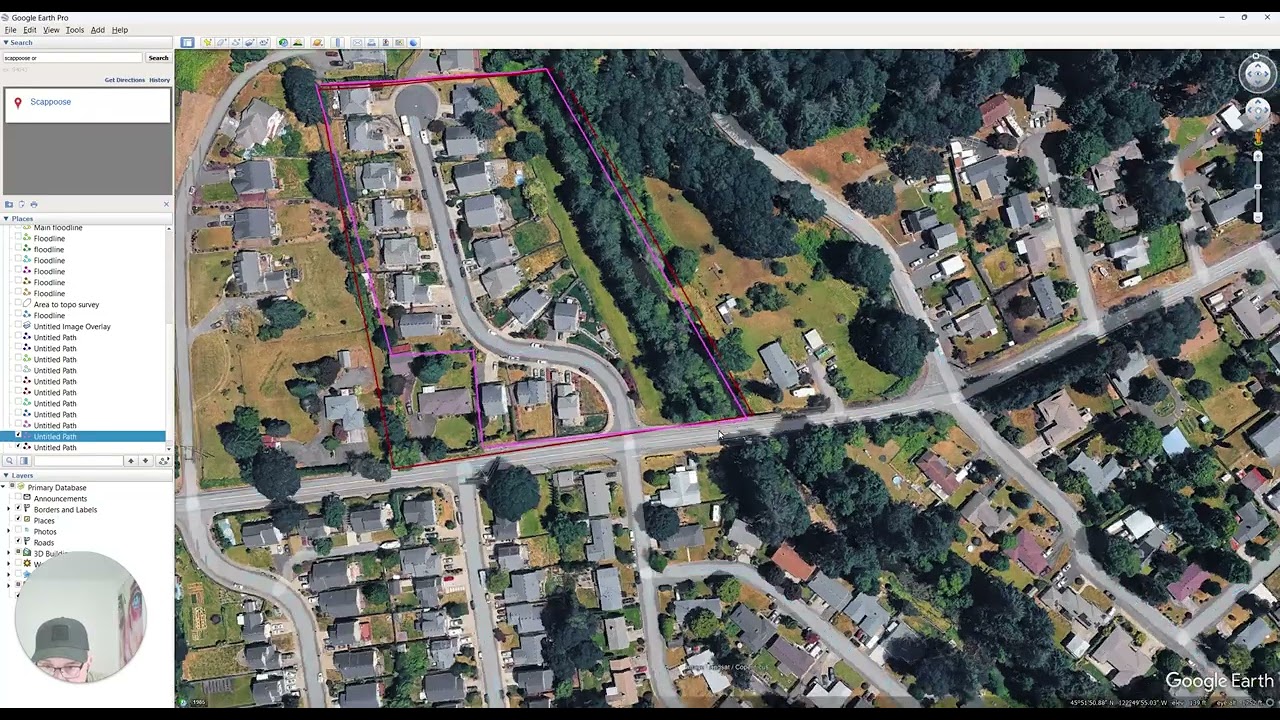
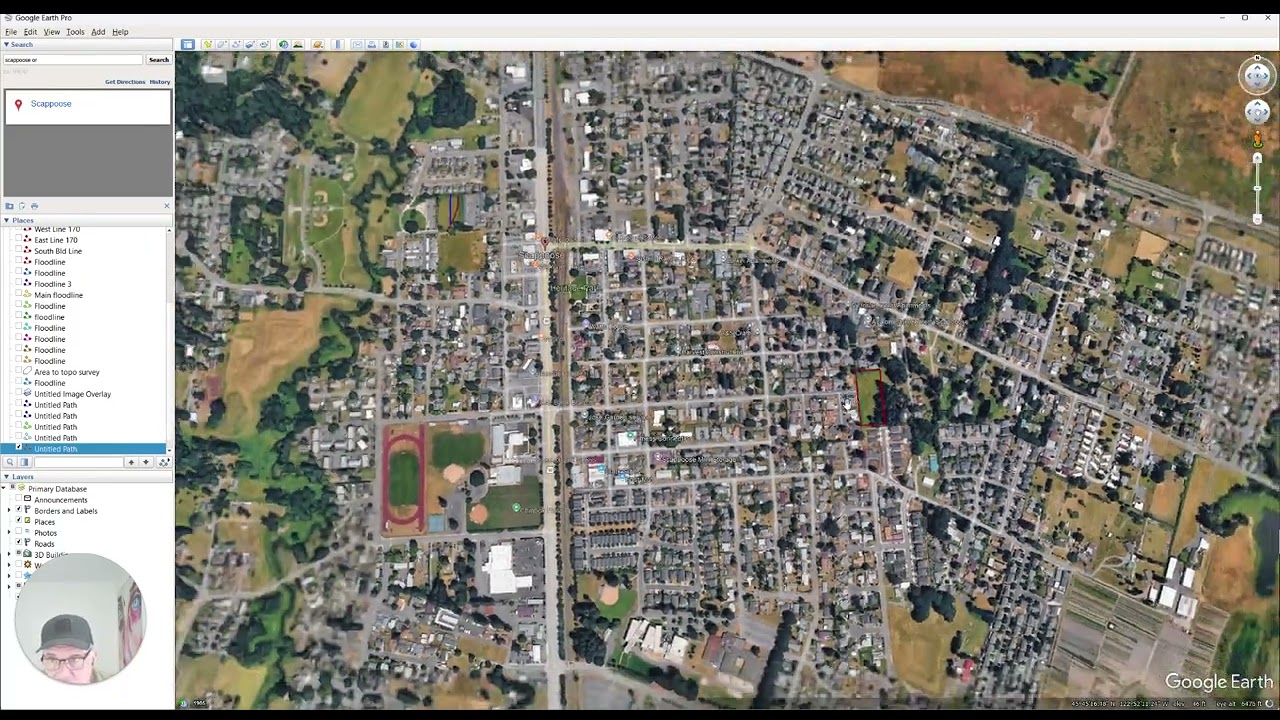
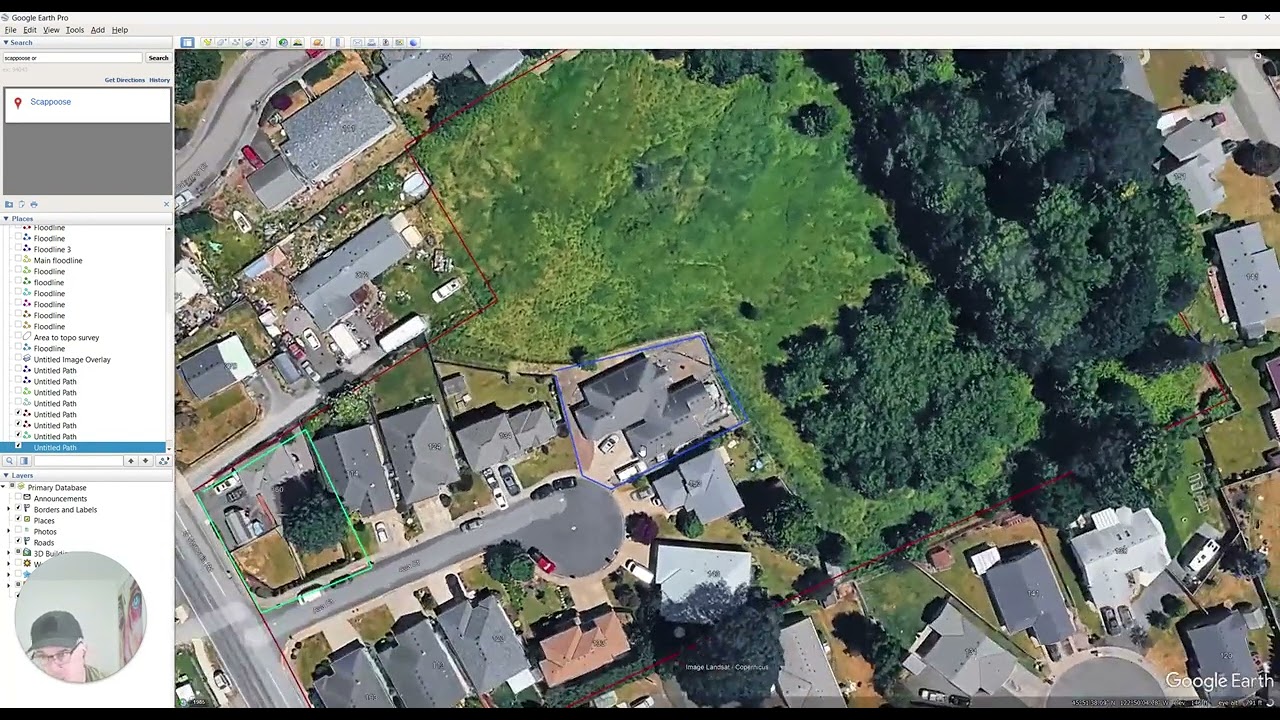
A 44-lot parcel on the rural edge of an Oregon town. Open field with no surrounding development. The town would eventually grow toward the parcel — but at acquisition, everything beyond it was farmland.
Three site conditions were sitting there waiting to kill the deal:
Bonneville Power Administration transmission lines running through the parcel with required 50-foot setbacks.
Basalt rock under one entire side of the site — some of the hardest in the world.
A 10,000-pair telecom vault sitting where the city wanted it moved.
This was the first subdivision Joe ever built.
The seller
Two brothers who owned a pharmacy in town. They'd bought the parcel years earlier as a "someday" retirement asset. It wasn't listed. Nobody was marketing it.
A real estate agent we'd been buying fix-and-flips from made the introduction. He told the brothers we were young, aggressive, and wanted to build a subdivision. They agreed to talk.
The structure
We had $40,000 to our name. The land was priced at $440,000+ ($10,000 per lot raw across 44 lots). We didn't have the capital.
We structured it like this:
$40,000 into escrow as good-faith deposit.
Get the entitlements first.
Cash them out 120 days after subdivision approval.
That's it. Three lines. The brothers got a premium price for ground nobody else was bidding on. We controlled the parcel without writing a check we couldn't write. The entitlement work created the value that funded the closing.
We didn't know at the time that you weren't supposed to buy land before getting subdivision approval. We thought everyone did it this way. Nobody did. We've used some version of this structure on every land deal since.
The basalt problem
During construction drawings, we hit the basalt on one side of the parcel. Our planned utility run — sewer, water, and storm — required cutting through it. The contractor came back with the number. There was no way to do it at any price that worked.
This is where most first-time developers panic. We didn't.
We went back to the drawings with our engineer and asked a different question: do we need to run the line here? We didn't. We rerouted sewer, water, and storm through rear-yard easements down the middle of the lots and tied them into the existing main on the other side of the property. The city approved it.
The contract that saved the project
Our horizontal contractor wrote our agreement on a per-foot basis for every utility line. Every reroute, every addition, every change order — all priced at the same pre-negotiated unit cost.
When we made the basalt reroute, the cost increase was around $10,000–$12,000.
On a standard horizontal contract — the kind almost every contractor writes today — that same change order would have been $100,000–$150,000 or more. We've seen first-time developers get killed by exactly this kind of swing.
We've written unit pricing into every horizontal contract since.
The 10,000-pair vault
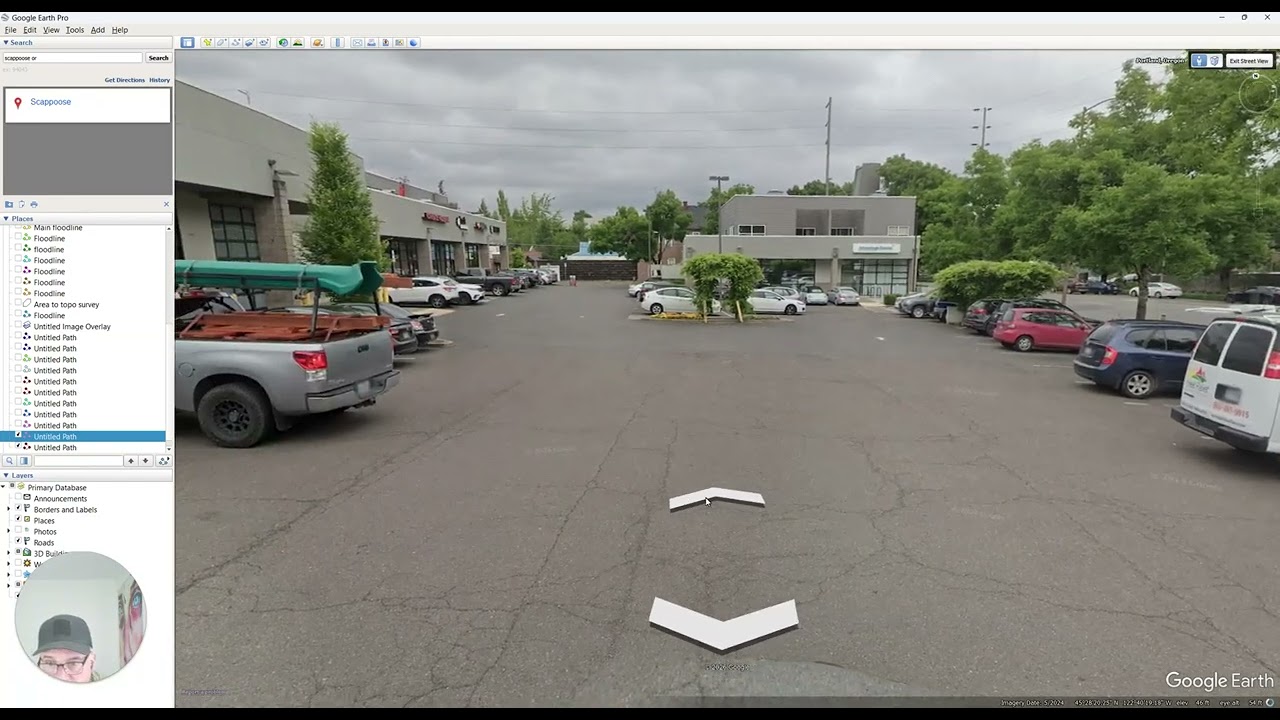
The other problem was sitting at the top of the parcel, half-hidden behind a sidewalk. A telecom vault with 10,000 pair of phone lines feeding the surrounding area.
The city wanted it moved. The phone company laughed — moving a vault that size was a blank-check project, completely uneconomic for a 44-lot subdivision.
We got everyone in the same room. The city, the phone company engineers, and our designer. We redesigned the sidewalk to jog around the vault, adjusted the lot lines, and pulled the right-of-way back where it needed to be. The vault stayed where it was.
That's where we learned about dry utilities — electrical, phone, cable. Stuff that doesn't show up in a typical horizontal scope but can sink a project faster than anything else. We've checked for legacy dry utility infrastructure on every site we've evaluated since.
The build
44 lots developed across the parcel. Houses on the BPA easement side ended up with deeper backyards because of the 50-foot setback requirement. The constraint became a feature — buyers valued the larger usable yards.
Streets named after Joe's two sons and a relative's son. Jaden Drive. Jacoby Drive. The third for a relative.
The exit
Lots sold out. The area around the parcel filled in over the following years. Other developers came in and built around what we'd done. The "too rural, too early" gamble looked obvious in hindsight.
It didn't feel obvious at the time.
Why this matters to an investor
Three things about Ash Park are worth understanding.
1. The land structure protected us before we knew what we were doing.
$40K in escrow, entitlements first, closing 120 days after approval. The brothers got a premium price. We got control without capital we didn't have. Same structure we still use on every land deal 20 years later. The discipline of how a deal is structured matters more than the experience of the operator structuring it.
2. Per-foot unit pricing on horizontal work caps the downside.
The basalt reroute should have cost $100K–$150K. It cost $10K because we'd locked the unit price before the dirt moved. Most contractors won't agree to this — change orders are where their margin lives. If a contractor refuses unit pricing on utilities, that's information about the contractor. We've never signed a horizontal contract without it since.
3. The city wants the project to work. So do the utility companies.
When the vault couldn't move, the phone company's engineers were on our side. They wanted a solution as much as we did. The city planner taught us how to read the code. Most adversarial dynamics in development are manufactured by developers who treat municipal staff and utility engineers as obstacles. They're not obstacles. They're the people who know where the flexibility actually is.
This was the first subdivision we ever built. We survived three deal-killers and learned the structural discipline that's protected every project since.
In short
Three things should have killed Ash Park. After it, we stopped relying on luck and started writing the structure into every contract.
— Joe Kessi, CEO Fidelis First