Case Study
The site
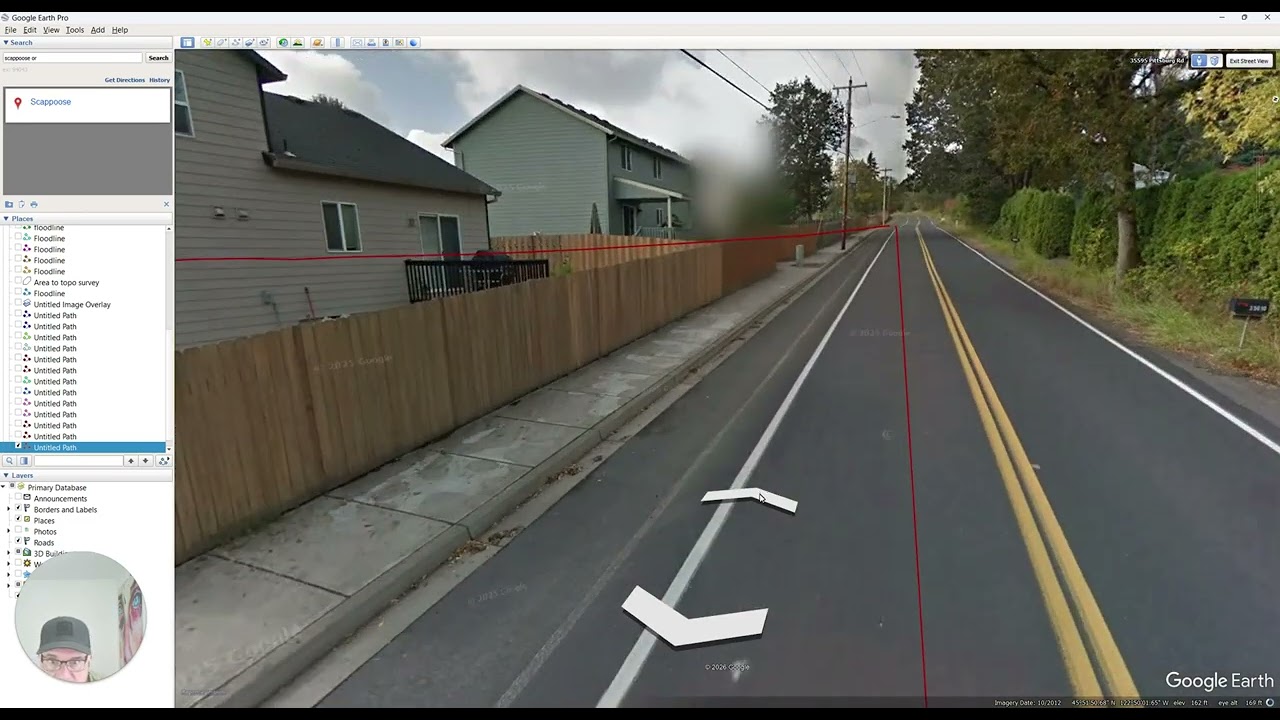
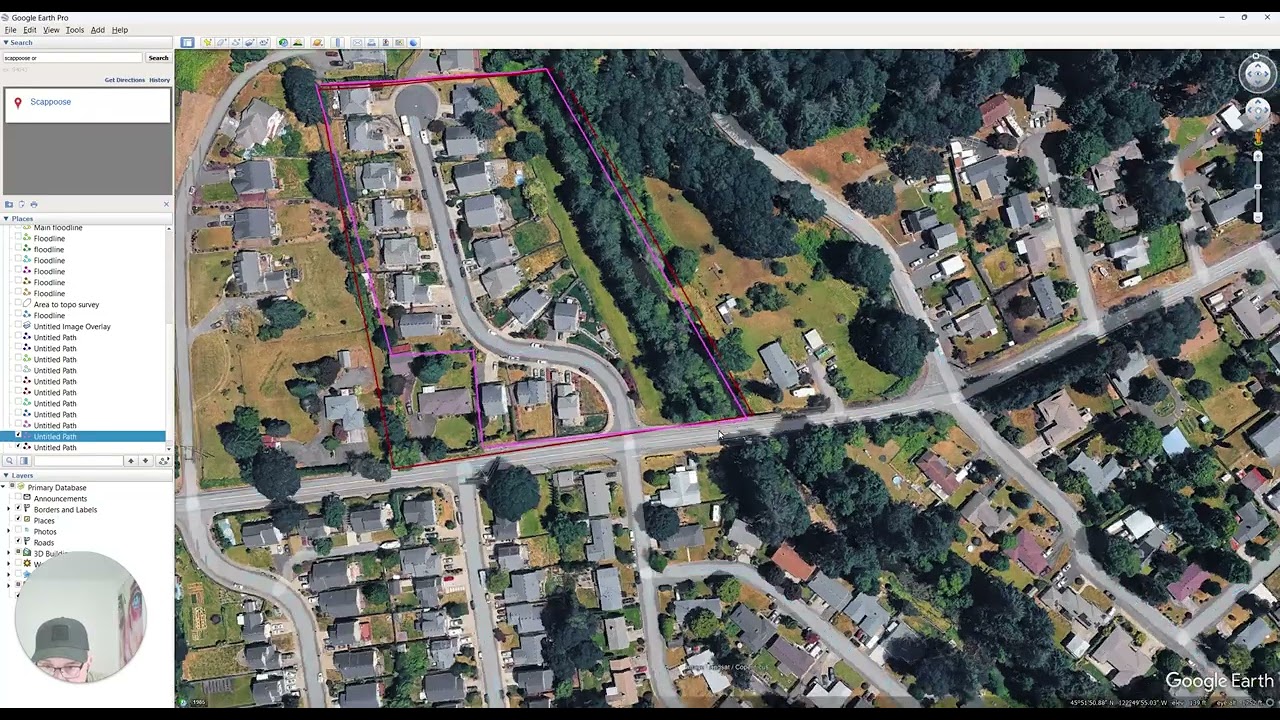
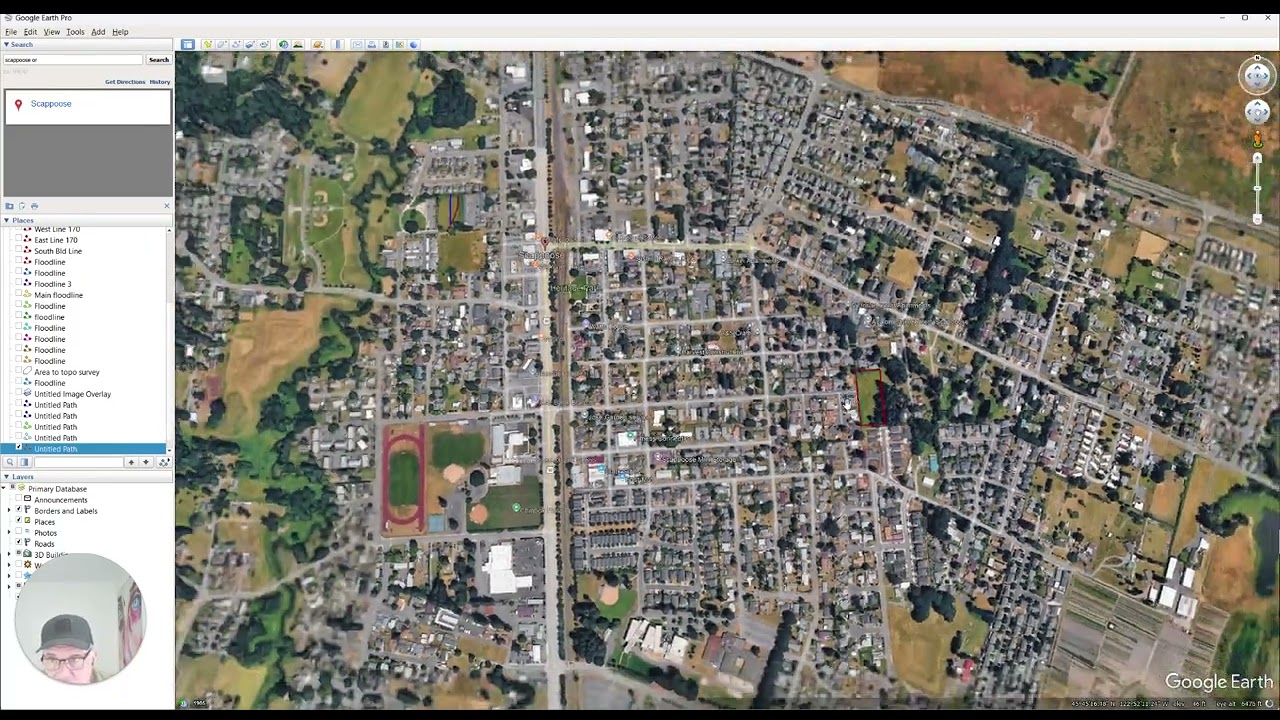
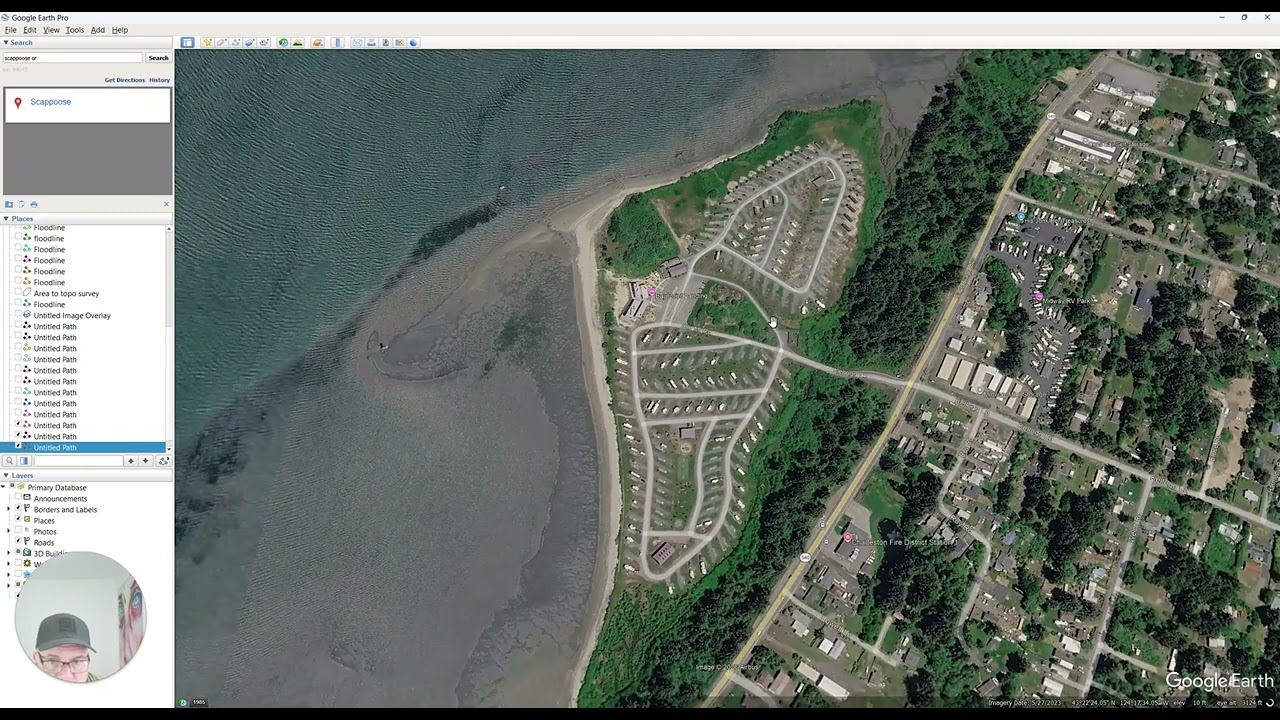
A parcel in a growing Oregon town just up the Columbia River from Portland. Strong school system, growing community, on the river with a state park island across the water. The property was an old horse pasture that the city had since classified as wetlands.
The seller
A woman at retirement age. Her parents had lived in the small house on the corner of the property. They passed away, and she inherited the land along with her brother. They wanted to sell.
Why three other developers had walked
The property looked like a standard subdivision play on paper. It wasn't.
Most of the buildable area was wetland. Standard zoning gave you a small handful of lots and the seller's price didn't pencil at that lot count. Three other developers ran the numbers, couldn't figure out how to make the math work, and walked.
The seller's brother lives out of state. He'd heard we were good at deals like this and called us.
What the seller actually wanted
She didn't want a check. She wanted a duplex she could live in — half for herself, half rented out for monthly income. A duplex in that market was about $400,000.
Three developers had tried to back $400,000 of cash purchase price into the deal and couldn't. We didn't try to.
We offered her a duplex instead.
The structure
Here's exactly what we proposed:
We give you a lot in the subdivision. The best one. The one looking out over the pasture.
We build the duplex on it at our construction cost. Free and clear to you when we're done.
You subordinate the land to our construction loan. No cash out of our pocket for the land at close.
We take full control of the existing house and the rest of the parcel.
She got exactly what she wanted — a free-and-clear duplex generating about $1,500/month from the rental side. We got the parcel without writing a check at closing.
The code play
Here's where the deal got unlocked. Three developers had walked because of standard zoning math.
The wetlands across most of the parcel qualified the site for an overlay zone with a planned unit development. Inside that overlay, two tools became available:
A density bonus.
A smaller minimum lot size.
Those two tools turned the parcel from a small handful of lots into a 10–11 lot subdivision plus the duplex. That's the difference between a deal that doesn't pencil and a deal we built every house on.
The trigger for the planned unit development is when natural resources prevent you from using all the land. The wetlands gave us the trigger. The other developers didn't read the overlay code carefully enough to find it.
The existing house
Three other developers were planning to tear it down. Standard subdivision practice — clear the site, build new.
We didn't tear it down. We remodeled it for about $20,000 and sold it for around $185,000.
That sale alone almost paid for the entire duplex we owed the seller. Our actual cost basis on the duplex came down to roughly $20,000–$30,000. Spread across the 9 remaining lots, that's about $2,000–$3,000 per lot in carry on the duplex obligation.
The house everyone else was going to bulldoze paid for the seller's duplex.
The build
10–11 lots plus the duplex. We built every house ourselves — small enough subdivision that going vertical made sense and we already had the duplex on the site.
Flat land. Good drainage. All utilities at the property line. Existing streets meant no off-site improvements. The horizontal work was straightforward.
The exit
Houses sold quickly. The market wanted housing in this town and our price points hit the affordability range buyers needed.
The seller got the duplex she wanted. She rents one side, lives in the other, and collects monthly income.
We made very strong returns on the deal.
Why this matters to an investor
Three things about Ava Court are worth understanding.
1. The seller's problem is the deal.
Three developers tried to solve their own problem — how do I buy this land for as little cash as possible? — and walked when the math didn't work. We solved her problem instead. She wanted a duplex. We built her one. The deal structured itself after that.
2. Read the overlay code.
The wetlands didn't kill the deal. They unlocked it. The overlay zone gave us a density bonus and smaller lot sizes that the standard zoning math couldn't reach. The other developers didn't find it because they didn't look for it. The margin on this deal lived inside the planning code.
3. The asset everyone else discounts is usually the asset that funds the deal.
The existing house was on every other developer's "tear it down" list. We sold it for $185,000 after a $20,000 remodel. That single move covered the cost of the duplex obligation and dropped our basis on the rest of the project to almost nothing.
This was one of the better deals we've ever done. Three developers passed on it before it got to us. We'd do it again tomorrow.
In short
Solve the seller's problem. Read the overlay. And don't bulldoze what's already paying.
— Joe Kessi, CEO Fidelis First